The first model with ears
Before Veo 3, AI video was a silent medium — beautiful footage, then an hour of sound design. Veo 3 changed the default: prompt the rain, the traffic, the whispered line, and it renders in sync with the picture. Dialogue scenes, ASMR product shots, ambient documentary — anything where sound is half the experience starts here. Google DeepMind paired that ear with a genuinely cinematic eye: Veo 3’s lighting and lens language is the most “shot on Alexa” of the roster.
Cinematic by default
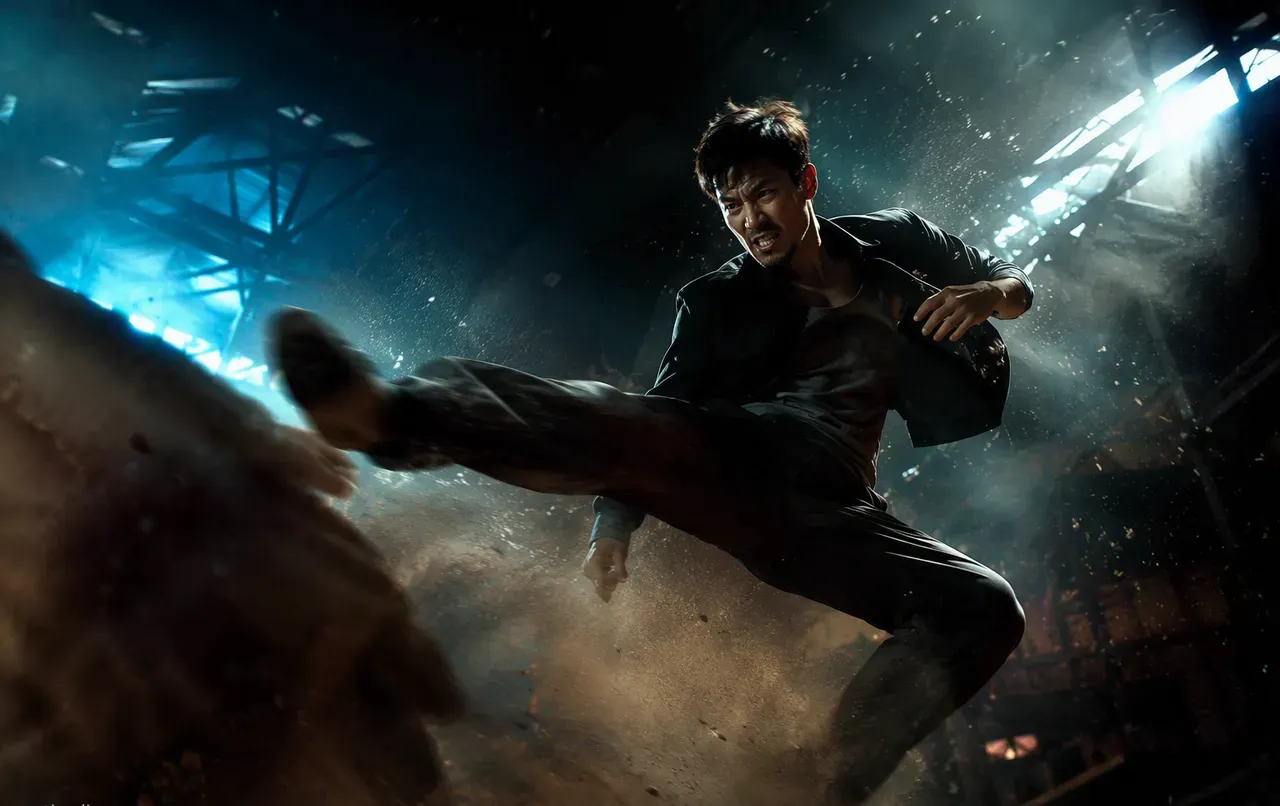
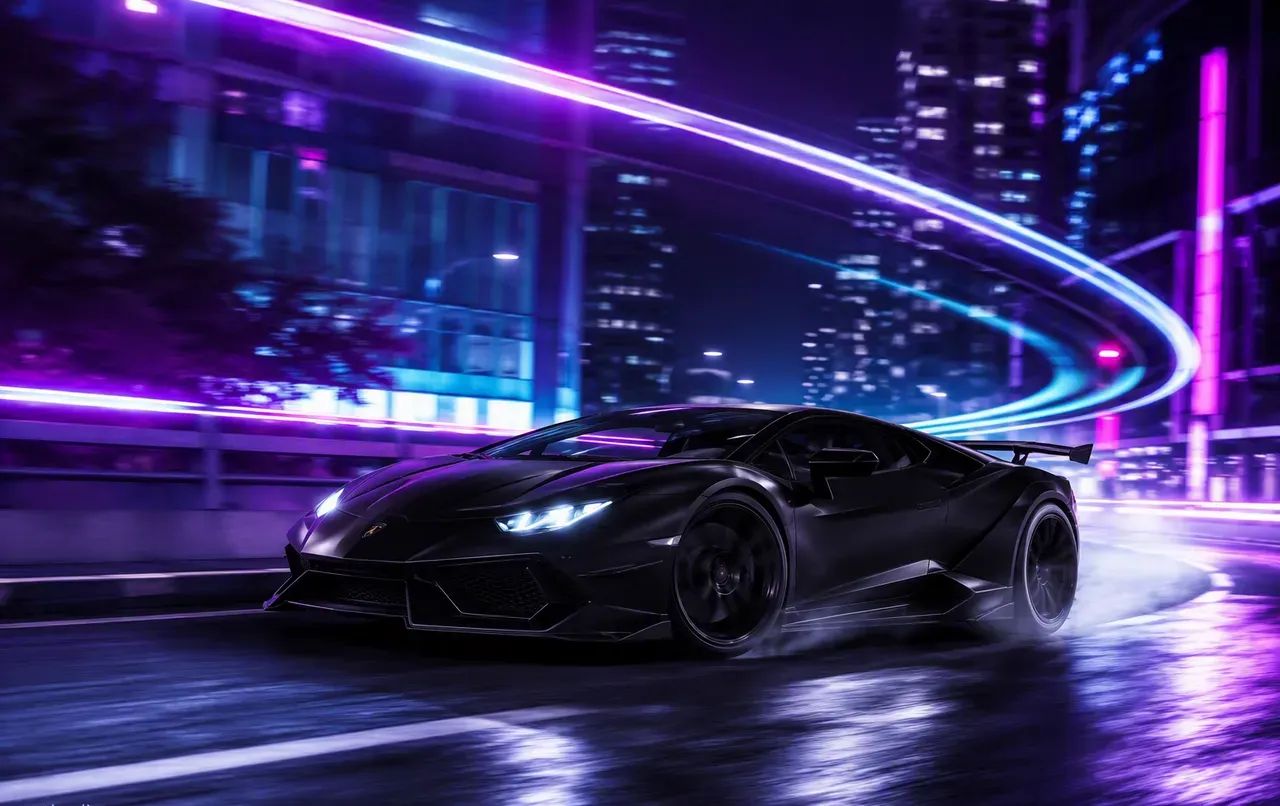
Some models make video; Veo 3 makes footage. Slow-motion hero shots with studio rim light, golden-hour exteriors, shallow-depth dialogue scenes — the model’s defaults are tuned like a cinematographer’s. That’s why it’s the flagship behind several of our Launch-Ready ad formats: the product-hero loop, the brand anthem, the emotional narrative. When the deliverable is an ad or a film fragment rather than a meme, Veo 3 is usually the right cast.
Veo 3 now, Veo 3.1 next
Veo 3 is live; Veo 3.1 is boarding with improved scene consistency and extension support — the versions table above has the notify-me list, and early-access pages like this one are how OpenClips members hear about model drops before the keyword volume exists. The practical play: learn Veo 3’s prompt language now (it’s generous with camera and audio direction), and 3.1 becomes an upgrade instead of a learning curve. Same wallet, same composer, same library — the model just gets better underneath your workflow.