Seedance 2.5 vs Veo 3.1 vs Kling 3.0: Picking Your A-Camera
Three flagship video models, three personalities. Seedance 2.5, Veo 3.1 and Kling 3.0 answer the same brief in different accents — here is which camera to roll for your next ad.
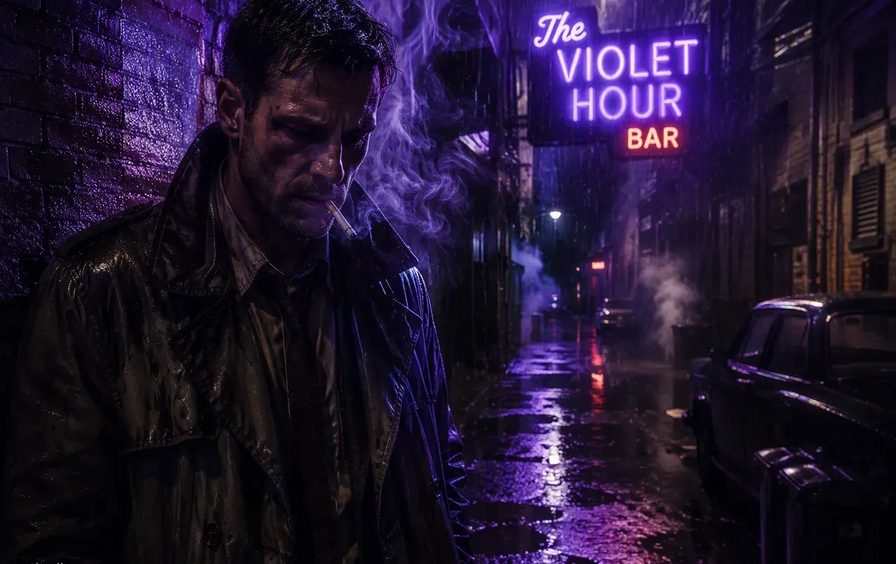
Scene select — 7 scenes
Asking which flagship video model is “best” is like asking which camera is best — best for which shot? The three flagships in the studio answer the same brief in different accents. Here is the honest scoreboard.
Every spec sheet below is rendered from the catalog the composer dispatches against, so this post and the model pages it links cannot disagree. When a vendor ships a change, both move together.
The short version
- Seedance 2.5 — the ad director: the deepest reference stack on the roster, and a camera move that survives the take.
- Veo 3.1 — the cinematographer: Google’s model, and the one that hands back the frame you actually wrote.
- Kling 3.0 — the creator favorite: fluid motion and the strongest image-to-video on the roster.
One studio, one balance, three cameras. The only wrong choice is the one you made without reading the call sheet.
Seedance 2.5 — the ad director
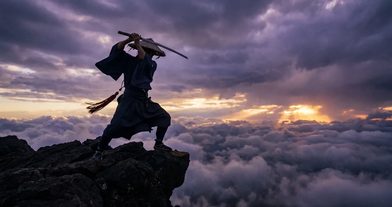
Seedance is the model we hand to a deadline. Camera intent survives the whole clip: an orbit stays an orbit, a push-in stays a push-in, and a multi-beat prompt stays coherent instead of dissolving into soup at second four. It is also the camera that will carry a whole product kit as references at once, deeper than anything else in the studio, which is how a label reads the same in every shot. How long one take runs is a row on the sheet below.
| Modality | Video |
|---|---|
| Length | 4s to 30s |
| Resolutions | 480p, 720p, 1080p |
| Audio | Available |
| References | Up to 30 |
| Price | from ⚡51 per render (from ≈$0.05/s) |
Full price grid, worked examples and the not-exposed list live on the Seedance 2.5 page. ByteDance publishes the model’s own notes on the Seed research site.
A matte-black espresso machine on a stone counter, premium commercial style, slow 360-degree orbit at product height, softbox key light with warm kitchen bokeh, steam curling from the spout, Saturday-morning indulgence.Run this prompt →
Veo 3.1 — the cinematographer
Veo 3.1 renders light like it went to film school. Its other trick is adherence — write the frame you want, down to the lens and the weather, and read it back. That makes it the finisher on a board where the look has already been signed off.
Google ships Extend for Veo in its own products. The composer here has no field for it, which is why the model page lists it under what is not exposed. A longer piece is a cut of several takes, and references are what hold a face or a product steady across them.
| Modality | Video |
|---|---|
| Length | 4s to 8s |
| Resolutions | 720p, 1080p |
| Audio | Available |
| References | Up to 3 |
| Price | from ⚡326 per render (from ≈$0.34/s) |
The Veo 3.1 page carries the grid and the composer’s “not exposed” list. Google DeepMind documents the model family on its own Veo page.
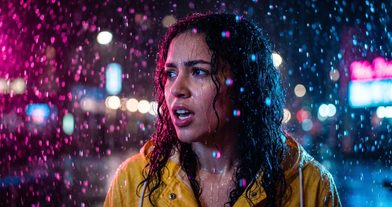
Rain drumming on a tin roof over a quiet workshop, distant thunder, a woman looks up from her bench and smiles, 35mm documentary style, window light through steam, unhurried Sunday calm.Run this prompt →
Kling 3.0 — the creator favorite
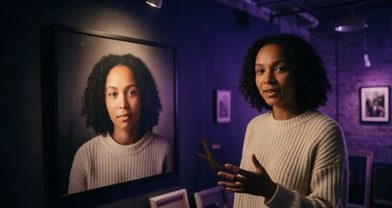
Kling is the UGC camera. Fluid human motion, and the strongest image-to-video on the roster: lock the frame as a still first — product, face, wardrobe — then let Kling move it. That is the whole reason a hero shot comes before the ad in every workflow we ship.
| Modality | Video |
|---|---|
| Length | 3s to 15s |
| Resolutions | 720p, 1080p, 4k |
| Audio | Available |
| References | Up to 1 |
| Price | from ⚡46 per render (from ≈$0.06/s) |
The Kling 3.0 page carries the full grid. Kuaishou runs the model’s own product site at kling.ai.
What happened to Sora 2
OpenAI discontinued Sora. The app and the web product closed on 26 April 2026, and OpenAI’s own deprecation page lists the Videos API and every Sora 2 model id for shutdown on 24 September 2026 with no recommended replacement. So Sora 2 is not a camera you can roll on here — or anywhere else — and any comparison that still sells it is quoting a dead call sheet.
The Sora page stays up rather than 404ing, because the search demand did not die with the model. It carries the substitution instead: Veo 3.1 first, for physics-heavy realism; then Seedance 2.5 and Kling 3.0 for the shots Sora used to get booked for.
Head to head
Read the three sheets above side by side rather than trusting a summary: they are the same catalog rows the model pages render, down to the price floor and its pack-rate dollar. What the sheets cannot tell you is the temperament, so here is that part.
- Long, controlled ad work: Seedance 2.5. The camera move survives the whole brief.
- Photoreal light and physics: Veo 3.1, on a board where the frame has to look filmed.
- Starting from a still: Kling 3.0, every time.
- Deep reference stacks: Seedance 2.5, and it is not close.
So which one is your A-camera?
Long ad, many references, one continuous take? Seedance 2.5, almost always. A frame that has to look filmed, exactly as written? Veo 3.1. Starting from a product still or a creator’s face? Kling 3.0. Most studios keep all three loaded — that is the whole point of one studio, every model.