
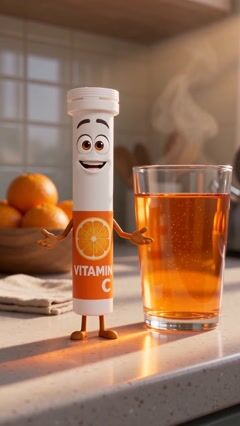
@image1 is the CHARACTER and the absolute identity lock — the same packaging, the same colours, the same printing in the same orientation, the same face, eyebrows, eyes, arms and legs, in every single frame, with no drift. Never redesign the packaging, never re-letter it, never invent wording, never swap it for a different product. [THE MONOLOGUE — ABSOLUTE PRIORITY — REPLACE THE WORDS BELOW WITH YOUR OWN] The product speaks the following, word for word exactly as written, as one monologue by one voice. This outranks every other instruction below. Nothing is paraphrased, reworded, shortened, added, repeated or swallowed, and no other line of dialogue exists anywhere in the film. {Hey. I'm the one you keep walking past. Before you blame me for not working miracles... I never said I could. And no, using more of me won't make things better. I do one job, and I do it properly, every single day. So no, I'm not here to save the day. I'm here to keep things working. Just use me regularly, the way it says on the pack. That's enough.} Budget about 65-70 words for 25 seconds. That is a brisk conversational clip — quick, light, never solemn — with four short breaths inside it. The breaths are beats, not stops: the monologue keeps its momentum straight through to the closing words. [IF YOU CHANGED THE LENGTH, RESCALE THIS CLOCK] The clock below and that word budget are written for 25 seconds. At 20 seconds, cut the monologue to about 55 words and multiply every timestamp by 0.8. At 30 seconds, allow about 80 words and multiply every timestamp by 1.2. Never leave a 25-second clock on a render set to another length — the model will either race the words or hold a dead frame at the end. [SPEECH CLOCK — written for 25 seconds; at any other length stretch or compress every window in the same proportion so the closing sentence ends just before the last frame — hit these] 0–0.8s: no speech. 0.8–6.0s: first sentence. 6.0–6.5s: short breath. 6.5–9.8s: second sentence. 9.8–10.4s: short breath. 10.4–15.8s: third sentence. 15.8–16.3s: short breath. 16.3–21.0s: fourth sentence. 21.0–21.6s: short breath. 21.6–24.3s: closing sentence. 24.3–25s: no speech. It holds the look. Every word must be clearly audible and finished inside its window. If anything has to give, the camera gives, never the monologue. [EVERY BREATH IS A VISUAL BEAT — never dead air] 6.0-6.5s one open palm drops in a small helpless shrug, eyebrows going flat. 9.8-10.4s a beat of business somewhere in the set answers the line. 15.8-16.3s it straightens up taller, pleased with itself, chin lifting. 21.0-21.6s the pride drains out in one visible beat — eyebrows relax, shoulders drop. [THE SET] A real room in late-morning sun — a kitchen or bathroom counter suits most products. A hard warm beam falls diagonally across a pale stone worktop with dust drifting through it. Behind, at different distances and falling into soft focus: a tiled splashback, a wooden bowl, a folded linen towel, a steel kettle trailing steam, a bright window with a curtain breathing. Every one of these sits at a different distance from the lens, so the space reads three-dimensional as the camera moves. Modern 3D animated feature-film render, photoreal materials, rich warm grade, shallow depth of field. [OPTIONAL — A PROP THAT CHANGES ACROSS THE TAKE] Delete this block if it does not suit your product. Beside the character, slightly behind it, stands a small sand timer. From the first frame its sand runs steadily from the top bulb into the bottom, the pile below visibly growing across the take. A prop that visibly changes from the first frame to the last is the single best thing you can put in a one-take film: it is a clock the viewer can read, and it proves there is no cut. Give it no face, no eyes and no arms — it is set dressing, not a second character. [THE CAMERA — it never sits still] One continuous shot, always moving: a slow drift inward with a soft arc to the left, so the background slides past behind the character. The move is small — the framing tightens by about a quarter, no more. From the first frame to the last the whole product stays inside the frame, top of the pack to feet, with clear margin, and its printing is never cropped or touched by an edge. It never becomes a close-up on the face. No cuts. [THE PERFORMANCE] It is correcting a misunderstanding it has had to correct a hundred times: quick, dry, a little tired of it, warm underneath. The whole monologue is one thought and the face carries one continuous arc — bright and easy at the start, eyebrows knitting as it gets to being blamed, flat deadpan on the shrug, a plain refusal with one head shake and both palms out, then brightening into genuine pride, then the pride falling away into something honest and modest, and finally still and calm with a small warm half-smile, holding a direct look into the lens to the end. Its hands are always either a fully open palm with fingers together or a relaxed closed hand. It never points, never counts on its fingers, and never extends a single finger on its own — an isolated raised finger reads as an obscene gesture on a stubby cartoon hand. AUDIO: the character's monologue is the only speech. Room tone and the quiet sounds of the set underneath it. NEGATIVE: music or score, a narrator, a second voice, subtitles or any on-screen text, a person or a human hand in frame, a second animated object, cuts or shot changes, a locked-off camera, anything cropped by the frame edge, warped or misspelled printing, improvised or paraphrased dialogue, slow or solemn delivery, dead air at the end.
Drag the clip sideways

Upload an outfit photo and an avatar. Step 2 generates a clean outfit-only image; step 3 magically reveals your avatar wearing that exact outfit, keeping the same face. Music only, loud.

Your avatar turns into fully transparent, see-through water and then suddenly collapses and splashes down into a clear puddle on a sunny poolside. Music only, loud. See the video step for the full prompt.
SHOOT 1 IDENTITY LOCK: @image1 is the person — photocopy their exact face, hair and eyes exactly as in @image1, and any jewellery exactly as in @image1. Same person every frame. Never change their hair colour. Do not beautify. Preserve their gender presentation exactly as shown. Use they / their / them only. ROOM: the apartment in @image1, exactly as shown, at golden hour. Hallway beyond the door is the same home, warm wood, off-white walls. LOOK 1 (this whole take): exactly the outfit worn in @image1. SCENE: the person in @image1 films themselves on their own front-facing camera while walking a warm dim hallway and through an open door into the sunlit living room, talking the whole time. Camera is their POV of themselves, arm's length. Opens as they bring the camera up. One unbroken take. They cross into late-afternoon sun, turn, stop in the light for the last line. 9:16 vertical. ~10 seconds. Real-time. No cuts. CAMERA: front-facing phone, swings up from below, holds ~50cm from face, soft bounce on steps, focus on face. ACTION: already walking. Delivers the line into the lens. One brief hair fix. Steps through the door into volumetric sun. Slows and stops for the last words, looking at the lens. VOICE, English, casual then quieter: "I don't know if I should say this, but the thing that scares me about 2026 is that nobody can tell I'm not real." AUDIO: NO MUSIC. Diegetic only — their voice close, footsteps on wood, fabric, room tone. No subtitles. No second person, no phone visible in frame, no logos, no UI. Living micro-motion every frame. Sun from camera-right in the room. SHOOT 2 IDENTITY LOCK: @image1 is the person — photocopy face, hair and eyes exactly as in @image1, and any jewellery exactly as in @image1. Same person every frame. Do not recast. Preserve their gender presentation exactly as shown. Use they / their / them only. ROOM: apartment in @image1, exactly as shown, late-afternoon sun from camera-right. Locked-off vertical UGC. No studio. @image3 = the sweater. Photocopy it exactly as in @image3 — its material, colour, collar, any fastenings and hem. @image5 = the shirt, exactly as in @image5. @image4 = the skirt, exactly as in @image4. Any label inside the back neck of the @image3 sweater stays exactly as it is; never invent a label. LOOK 1 (first half, still wearing): the outfit from @image1. LOOK 2 (after the cut): the @image5 shirt UNDER the @image3 sweater (collar and cuffs peeking) + the @image4 skirt + plain simple shoes. FORMAT: 9:16, 15 seconds, timed multishot, exactly ONE HARD CUT at 0:09. Instant cut. Same camera, room, light. Only wardrobe changes. They never speak. CAMERA: fully locked off, low tripod, head-to-toe, one framing both sides. Phone autofocus hunts when the label comes close. 0:00–0:09 SHOWING. Already in motion. Holds the folded @image3 sweater, the @image5 shirt and the @image4 skirt. Lifts the sweater, lets it fall open, snap, show front and back. Drapes it, drops the skirt open so its details read, then the shirt. Steps in, folds the sweater inside back neck to the lens so its own label fills the frame. Focus hunts then locks on it. HARD CUT. 0:09–0:15 WEARING LOOK 2. Already dressed — no changing shown. The @image3 sweater over the @image5 shirt, the @image4 skirt, plain shoes. Tugs the hem, hand down the skirt, a hand through their hair, weight on one hip, quarter turn, small closed-mouth smile. Mouth stays closed. No speech. AUDIO: NO MUSIC. Fabric rustle, footsteps on parquet, room tone. No subtitles. No second person, no phone, no mirror, no extra logos. Fully clothed every frame. Living motion. SHOOT 3 IDENTITY LOCK: @image1 is the person — photocopy face, hair and eyes exactly as in @image1, and any jewellery exactly as in @image1. Same person every frame. Do not recast. Preserve their gender presentation exactly as shown. Use they / their / them only. ROOM: apartment in @image1, exactly as shown, late-afternoon sun from camera-right. Locked-off vertical. Same framing as the previous try-on. @image2 = the dress. Photocopy it exactly as in @image2 — fabric, colour, neckline, any straps or sleeves, detail and length. STARTING OUTFIT (first half): still wearing LOOK 2 — the @image3 sweater over the @image5 shirt, the @image4 skirt, plain shoes. AFTER THE CUT: LOOK 3 — only the @image2 dress. Plain shoes peek under the hem. FORMAT: 9:16, 15 seconds, exactly ONE HARD CUT at 0:08. Instant. Same camera and room. Only wardrobe changes. They never speak. NO brand label close-up in this shoot — do not invent a brand label on the dress. CAMERA: locked off, low tripod, head-to-toe. 0:00–0:08 SHOWING THE DRESS. Already in LOOK 2, already lifting the @image2 dress. Lets it fall open full length, hem swaying. Small lift so its details read. Rotates to show the back, fabric swinging. No neck-label insert. HARD CUT. 0:08–0:15 WEARING THE DRESS. Already in the @image2 dress, no changing shown. Hand down the fabric, a hand through their hair, hip pose, then one slow light pirouette — skirt and hair lift, not a trained dancer. Lands, closed-mouth smile. Mouth stays closed. No speech. AUDIO: NO MUSIC. Fabric swish, hem, footsteps on parquet, room tone. No subtitles. No second person, no phone, no mirror, no logos. Fully clothed every frame. Living motion.
A talking-product comedy ad in one unbroken take. Photorealistic 3D character animation, cinematic. PRIORITY ORDER — wherever anything below conflicts, this is the order that wins: 1. Every printed word on the product stays visible, unchanged and uncovered. 2. The eyebrows are readable and moving in every frame. 3. The container is exactly the one in @image1 and never deforms. 4. The lines, in order, word for word. 5. Camera, set and light. THE FRAME: compose for whatever format this film is rendered in. In a tall frame the container fills the height with the counter below it and the dark kitchen above; in a wide frame the counter runs out to either side of it. In every format the container is the subject and its label is readable. THE LENGTH: the five beats below are written for a 22-second film and the times given are for that length. If this film is rendered longer than 22 seconds, every extra second belongs to the LAST beat — the container holds its look at the lens, the eyebrows settle, and the push-in comes to rest. No line is added, no line is repeated, nothing new enters the frame, and the shot never cuts away from the container. ASSET MAP — every reference is bound here and cited by tag below: @image1 — the magnesium product. This is the product's truth: its shape, material, colour, closure and every word printed on it. @image2 — the same product wearing its cartoon face and arms. This is the character design. PRODUCT LOCK — HIGHEST PRIORITY: the container is exactly the one in @image1. Preserve its shape and proportions, its material and colour, its cap or closure, and its label artwork exactly. Every word, number and symbol printed on it stays as photographed — same spelling, same typeface, same size, same position. Never add, remove, translate or re-typeset any lettering, brand name, logo, badge or seal. Wherever this text and the attached images disagree, follow the images. CHARACTER LOCK: the face and arms are exactly the ones in @image2 — same eyebrow weight and shape, same eye style, same mouth, same arm colour and thickness, same placement on the container. Do not redesign them. THE EYEBROWS ARE THE PERFORMANCE — two thick, solid, matte-black eyebrows shaped like bold brush strokes, clearly separated from the eyes and sitting well above them. They are the single most expressive element in the entire shot: they tilt, arch, furrow, raise and flatten on every emotional beat. They are never thin, never a mere eyelid line, and never absent from any frame. HANDS STAY CLEAR OF THE LABEL — THIS OUTRANKS EVERY GESTURE DESCRIBED BELOW: the printed face of the container is a rectangle that no hand, arm, finger or elbow ever enters, in any frame, on any beat. The arms live OUTSIDE the container's silhouette — they come out of its sides and gesture out into the room, away from its body. A point at the camera is made by extending an arm outward from the side and forward past the container's edge, never by bringing a hand across its front. Crossed arms rest against the container's sides, not over its label. If a gesture written below cannot be made without a hand entering that rectangle, make the smaller gesture: the readable label outranks the gesture. Every word, number and symbol on the product is fully visible in every single frame. THE BODY NEVER DEFORMS: the container does not stretch, squash, bend or hop. It stays standing on the counter. Only the face and the arms move. SET: a dark kitchen at three in the morning. The container stands on a stone counter. The only light is a cool under-cabinet strip and a faint glow from a doorway behind. A blurred kettle, a mug and a plant deep in the out-of-focus background. Quiet, still, nobody else in the room. CAMERA: one continuous shot, no cuts. It opens at MEDIUM WIDE — close enough that the container's face, its eyebrows and the words on its label are all readable in the very first frame — and pushes in slowly and steadily across the entire clip, arriving on a medium close-up of its face by the final line. The move is smooth and never stops. No handheld shake, no pan, no whip. The film never opens on an empty room, on a wide establishing shot, or on a container too small to read. FIRST FRAME — THE HOOK: no fade-in, no black frame, no establishing beat. The very first frame already has the container large enough to read, arms crossed, face on the lens — and inside the first half-second the eyebrows drop into their flat, unimpressed set. The performance starts before the first word does. VOICE: one voice, dry, weary and completely deadpan — something that has been waiting all day to say this. Not cartoonish, not sinister, not whispered. Ordinary speaking pace, with real pauses between sentences. PERFORMANCE AND LINES — it speaks these words, in this order, word for word, exactly once. This script is written for magnesium: the symptoms it names — cramp, eye twitch, restless legs — are magnesium's, and two lines say the word itself. For a different supplement, rewrite the lines around its own symptoms and keep the five beats and their timings exactly as they are. 0–4s: the opening framing. Arms crossed, eyebrows flat and low, already unimpressed before the clip starts. "Three in the morning. Calf cramp. And suddenly, you remember I exist." 4–9s: uncrosses its arms, one hand turning up in a small matter-of-fact shrug. Eyebrows level, plainly stating a fact. "I'm magnesium. I'm involved in hundreds of reactions in your body. Quietly. Every day." 9–14s: leaning into the grievance, eyebrows angling sharply down into a furrow, one hand pointing straight at camera on each question. Midway through this stretch a single tiny white spark flares off the cap for half a second and dies — it does not react to it. "That eye twitch last Tuesday? Restless legs at night? Your body was asking." 14–20s: one hand up flat in a stop gesture out to the side, then both hands opening outward. The eyebrows travel from firm and level to raised and almost pleading. "I'm not a painkiller. Don't wait for the cramp — take care of your magnesium first." 20–22s: the arms drop to its sides, the eyebrows settle flat, the eyes glance away, and it holds there as the camera settles on its face. "...I'll be here." AUDIO: quiet night room tone throughout, a faint fridge hum. One soft electrical tick on the spark. The voice. No music bed, no score under the dialogue. NEGATIVE: an establishing wide shot, a container too small to read, an empty room at the start, a fade from black, a hand or arm in front of the label, a finger over a printed word, on-screen text, captions, subtitles, a watermark, an invented brand name, an invented logo, added or altered lettering, garbled label text, a hand covering the label, thin eyebrows, missing eyebrows, a human, hands belonging to a person, a second container, a second character, a face on any other object, photorealistic human eyes, teeth, lips, stretching, squashing, bending, hopping, the container leaving the counter, camera cuts, handheld shake, flickering light, horror atmosphere, sinister tone, spilled capsules.


Your avatar turns to stone from the feet up, aware and struggling, ending as a weathered statue among the rocks. Music only, loud. See the video step for the full prompt.
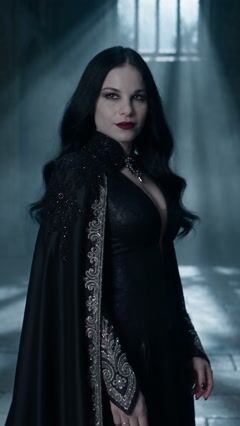
FIRE VILLAIN — Ignition Transformation Audio: music only, mixed loud and full so the music dominates the entire soundtrack from the first frame: one continuous dark epic cinematic instrumental — low ominous strings, a slow rising tension build, deep percussive hits, and a huge climactic swell held long on the final villain reveal. NO background or ambient sound of any kind, no footsteps, no foot taps or scuff, no foley, no fire crackle competing with the music, no recognisable copyrighted melody, no spoken dialogue, no invented language. IDENTITY LOCK — @image1: keep the exact face, bone structure, eyes, eyebrows, nose, mouth, skin tone, hairline, hairstyle, hair length, texture and colour, freckles or marks, apparent age, build and proportions identical throughout — the SAME recognisable person the whole time. The attached @image1 outranks every word: where text and image disagree, follow the image. @image1 is an adult, the only person in the frame, and never turns into anyone else. One single being throughout. WARDROBE — @image1 is fully clothed and decent at all times in a fitted modern outfit taken from @image1, torso and legs covered, never barefoot, never undressed, no exposed underwear, nothing revealing. The clothing chars and smoulders at the edges as the flames rise but stays on and never burns away or exposes the body. THE TRANSFORMATION — a dramatic cinematic comic-book SUPERVILLAIN ignition in which @image1 is UNHARMED and POWERED by fire (a fire-wielding super-villain), never injured, never in pain. It builds slowly for real drama. At first @image1 does NOT know what is happening: standing normally, then a faint flicker of embers at the fingertips makes @image1 look down, confused and uneasy. Then the HANDS suddenly burst into roaring flames — @image1 recoils in shock, staring wide-eyed at the burning hands, staggering back. The fire races up the arms, over the shoulders and across the whole body, wreathing @image1 in big roaring flames, flying embers and heat-haze — unhurt, the skin glowing with inner fire and cracks of molten orange light, the eyes igniting to a burning glow. The fear slowly turns into dark, confident, menacing power. THE CLIMAX (long, dramatic): fully wreathed in flame, @image1 slowly straightens to full height, lifts the head, and a cruel evil grin spreads across the fire-lit face; then @image1 SPREADS both arms wide and the flames FLARE outward and upward in a huge burst, roaring higher, embers exploding around the body — @image1 holds this powerful menacing villain pose, wreathed in towering flames with glowing ember eyes, radiating danger, held long to the very last frame. STAGE TIMING — one direction only, always forward, with the climax given the most time: unaware with the first flicker, then the hands ignite and the shocked recoil, then fire spreading up the body as fear builds, then fully wreathed and the shift into dark power, then the big villain climax. Never reversing. TIMELINE (20 s): 0–4s: @image1 stands normally on the night street, then a faint flicker of embers dances at the fingertips; @image1 looks down, confused and uneasy; the camera holds a medium. 4–7s: the hands suddenly burst into roaring flames; @image1 recoils in shock, staggering back, staring at the burning hands; the camera pushes in to the hands then tilts to the face. 7–11s: the fire races up the arms, shoulders and torso, embers flying, the skin glowing with molten orange cracks; @image1's fear starts turning to dark resolve; the camera eases back and slowly orbits. 11–15s: @image1 is fully wreathed in flame, the eyes igniting to a burning glow, the frightened look hardening into menacing power; the camera settles low and wide. 15–20s: the big villain climax: @image1 straightens to full height, a cruel evil grin spreading, then SPREADS both arms wide as the flames flare huge and roar upward, embers exploding around the body, holding the towering menacing villain pose with glowing ember eyes, held to the very last frame. DIRECTION — one continuous handheld-on-gimbal take: open on a medium of @image1, push in to the hands as they burst into flame, tilt to the shocked face, ease back and slowly orbit as the fire wreathes the body, then crane back and slightly low for the final towering villain stance as the flames flare wide. Continuous screen direction; no cuts, no teleporting, no extreme shake. SCENE — a dark city street or rooftop at night: wet reflective asphalt, distant city lights and neon, deep shadows, drifting smoke, so the fire glows brightly and dramatically against the darkness and reflects on the ground. A real night city setting with depth — never a plain grey or black empty studio void. Let each beat play out fully and finish its action before the next; ONE continuous coherent take, no cuts and no scene changes. CHOREOGRAPHY — believable reaction and weight: the uneasy look down, the recoil as the hands ignite, the stagger, the slow shift from fear to villainous power, then the big deliberate arms-wide flare on the climax; real fire behaviour with flames rising, embers drifting and heat-haze; escalating, never idle. ANATOMY — @image1 has exactly two arms and two hands with five fingers per hand, two legs and two feet; unharmed and whole throughout, no gore, no blood, no burned or injured flesh, no charring of the body — just glowing fire power over an intact, fully clothed person. LOOK — ultra-photorealistic cinematic, 50mm close-up and 35mm wide, shallow depth of field, real roaring fire, embers, smoke and heat-haze, glowing orange rim light on the skin, dark night grade with strong fire glow, realistic grain, natural motion blur, cinematic shutter. Never plastic, never cartoon, never CGI-looking. NEGATIVE — the person looking hurt, injured, in pain, burned, charred, with burnt or blistered skin, wounds, gore or blood; any sense of self-harm or suffering; undressing, the clothing burning away, a bare torso, exposed underwear or revealing clothing; the fire not actually appearing; only a small flame instead of full engulfment; a weak or rushed climax; the face becoming unrecognisable or changing identity; a plain grey or black empty studio void instead of the night city; the change reversing; a warped face, taffy limbs, wrong proportions, body distortion; feet sliding or gait glitching; the camera cutting, spinning or teleporting; a scene cutting off mid-action; jumping to a random unrelated scene before the current action finishes; skipped or truncated beats; no character vanishing, dissolving, fading or teleporting into thin air — every exit is physical; @image1 duplicating; a second person; a third hand, extra arm, more than two hands, extra or missing fingers or limbs; slow motion, speed ramps, repeated loops, aerial shot; anime, cartoon or CGI look; on-screen text, captions, numbers, readable signage, invented logos or watermark; any background, ambient or foley sound, footsteps or fire crackle competing with the music, music too quiet or not clearly audible; only the elements explicitly described appear.
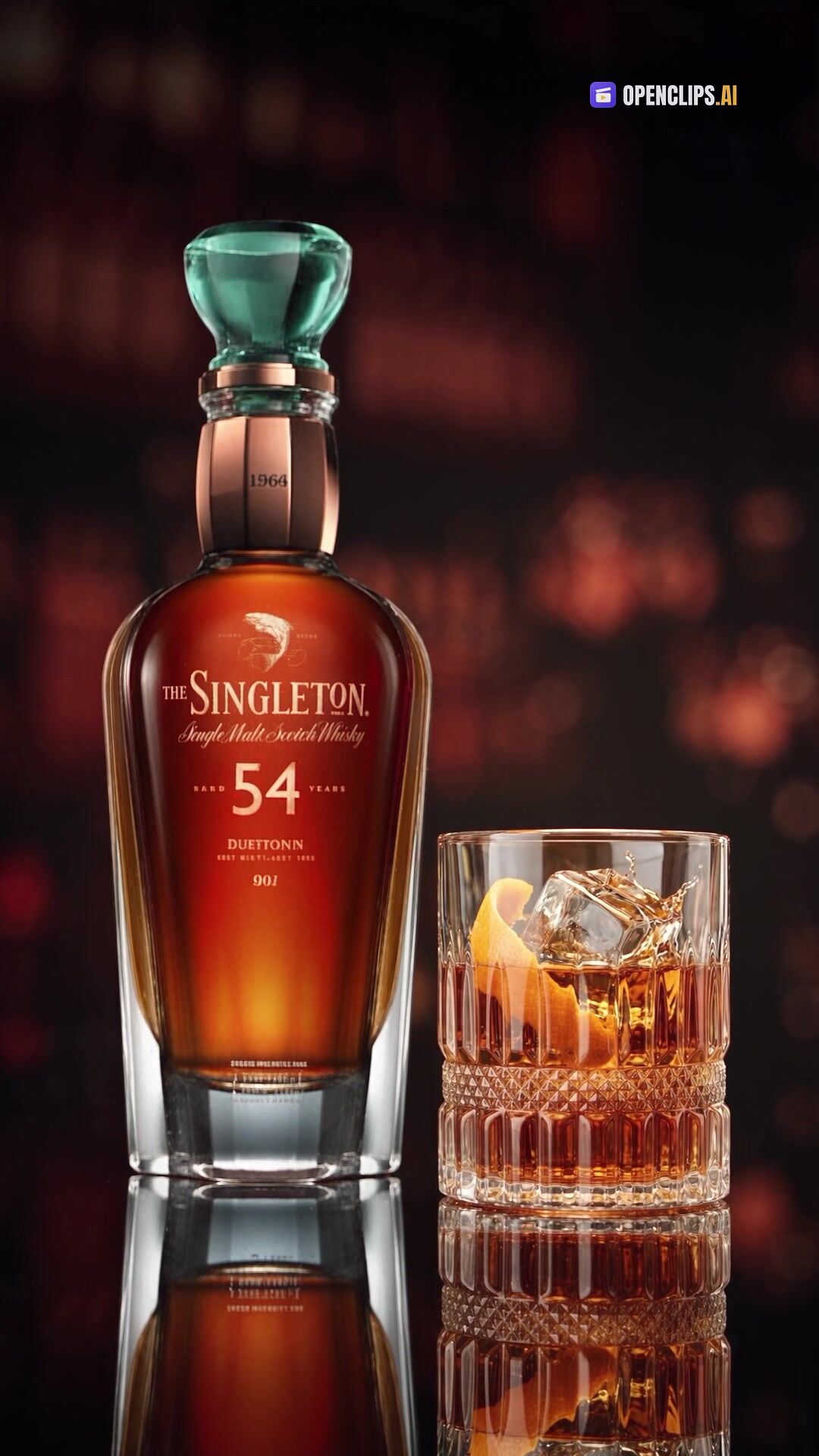
PRODUCT LOCK — CRITICAL: @image1 is the exact bottle. Photocopy its shape, cap, body colour, wordmark and every label line exactly as printed. Do not redesign. Do not turn it into another brand. One bottle only. Ignore any background or surroundings in @image1 — the film is a clean white studio. 10 seconds, 9:16, luxury beauty commercial. No people, no hands covering the bottle, no on-screen captions. AUDIO: soft water, liquid, lather, hair. No speech. No lyrics. 0.0–1.5s WATER REVEAL. Extreme macro, crystal-clear droplets falling slow-motion on soft white. Sparkle, forward push, shallow DOF. 1.5–3.0s HAIR. Close-up long silky hair flowing slow-motion, realistic strands, studio highlights. No face. 3.0–4.5s SHAMPOO TEXTURE. Shampoo in its own colour and texture, as its bottle and label in @image1 suggest, flowing from THIS bottle (@image1) in a smooth ribbon, real viscosity. Bottle undistorted, label readable. 4.5–6.0s LATHER. The shampoo mixes with water into soft foam, tiny bubbles, droplets, macro. 6.0–7.5s SILKY HAIR. Camera glides through shiny hair swaying. No face. 7.5–10.0s HERO. The exact bottle from @image1 standing upright on glossy white. A few droplets, slow push-in. Last second: hold, sharp, centered, undistorted. NEGATIVE: another brand's bottle, distorted bottle, altered label, extra bottles, people, hands, watermark, subtitles, clutter, floating bottle.
Your avatar blooms into a lush red-flowering garden bush — head becoming one big red flower, aware and reacting, until no skin is left and the figure reads as a real leafy shrub of petals and green foliage blending into the hedges. Music only, loud. See the video step for the full prompt.
Smooth natural motion, clean commercial fashion-ad aesthetic, crisp detail, luxury catalogue presentation, soft studio lighting with realistic shadows under the figure and under the pieces. @image1 is the layout and the first frame, and it is an absolute lock. The entire layout stays exactly as shown: same background, same item panel, same captions, same crown icons, same wordmark, same framing, same position and same scale of every element. Face, hair, body, proportions, garments, materials and colours stay exactly as they are in that frame, with no drift or reinterpretation in any frame. Preserve their gender presentation exactly as shown. Use they / their / them only. Camera locked off on a tripod. No pan, tilt, zoom, tracking, dolly, handheld movement or reframing. The figure turns one full circle on the spot the way a fashion model turns on set, and the pieces inside the panel turn with them. Beats, each given equal weight: They begin in the pose of the first frame, then start to turn, stepping their feet around naturally and shifting their weight from one leg to the other, arms moving freely and shoulders relaxed. They continue round through profile, the turn unhurried and even. They come around to the back and glance over their shoulder toward the camera. They continue round through the other profile, still stepping the turn out on the spot. They return to face the camera and settle into a new, different confident pose, and hold it. Across the same turn, every piece inside the item panel rotates in place on its own vertical axis like a luxury product display render, revealing front, side and back. Each piece stays centred in its own slot, keeps its size, and completes exactly one full rotation, ending in its original orientation. The figure stays in the same spot and at the same size in frame throughout, feet staying on the floor with the contact shadow following them. Every garment continues around the side and the back, complete and unchanged, with each trim, fastening and fold consistent all the way round. Natural posture and realistic cloth physics: the garments, their hems, cuffs and edges, anything worn at the neck or the ankle, and the hair all swing and settle with the motion, then come to rest. The panel, its divider lines, the captions, the crown icons and the wordmark stay perfectly fixed and stay sharp and legible for the whole clip. Only the figure moves and the pieces rotate. No camera movement, no cuts, no identity drift, no face change, no garment substitution, no change to the panel layout or its type, no drifting or resizing of the panel, no sliding feet, no warped hands, no extra limbs, no disappearing accessories, no added scenery, no extra text, no logos other than those already on the garments, no watermark.


 Break the IceRecreate workflow